GIS Substations and Monopole Erection
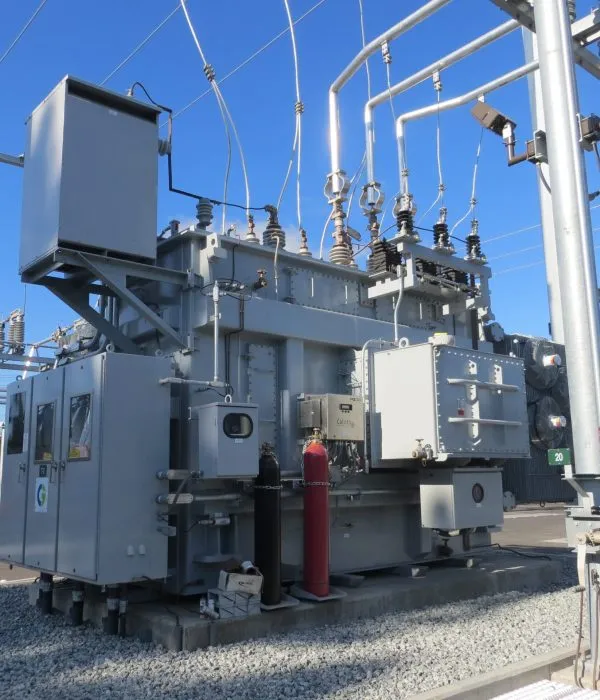
GIS Substations and Monopole Erection: Expertise and Services
Gas Insulated Substations (GIS) and Monopole Erection are critical components in modern electrical power distribution systems, particularly in urban and high-density areas where space is limited. This expertise is essential in providing safe, reliable, and efficient energy transmission.
-
GIS Substations Installation:
Gas Insulated Substations (GIS) offer a compact, space-saving alternative to traditional air-insulated substations. GIS technology uses sulfur hexafluoride (SF6) gas as an insulating medium, allowing for a smaller footprint, enhanced safety, and better performance in challenging environmental conditions. The company’s proficiency in GIS installation includes:- Design and Engineering: Tailoring each installation to specific project needs, ensuring optimal performance.
- Procurement and Construction: Managing the supply chain for high-quality GIS components, along with professional construction services.
- Testing and Commissioning: Conducting rigorous testing to ensure all GIS components meet safety and operational standards before full deployment.
-
Monopole Erection:
Monopoles are sleek, single-pole structures used for supporting overhead power lines. These poles are preferred in areas where minimal land space is available or where environmental and aesthetic considerations are a concern. The company's services in monopole erection include:- Survey and Site Preparation: Carrying out thorough land surveys to ensure the optimal placement and alignment of monopoles.
- Profile Creation: Creating detailed profiles of the site to map out the installation and ensure proper integration with existing infrastructure.
- Tower Schematics: Developing precise schematics for the monopole structures, ensuring that all components align with industry standards and local regulations.
Overall Expertise:
The company not only manages the installation of GIS substations and monopoles but also oversees the entire project lifecycle—from initial surveying and design to commissioning and ongoing maintenance. This end-to-end service ensures that clients receive a reliable and robust electrical system that meets current and future energy demands.